TEl: 86-16719316856
EMAIL: [email protected]

TEl: 86-16719316856
EMAIL: [email protected]

The meaning of various grades of metallic silicon:
Each grade of silicon metal has its own specific meaning, for example, 553/441/2202/3303, etc., which means that the silicon content is greater than or equal to 98.5%, divided into three types of impurities: iron, aluminum, and calcium (in order) Of subcategories.
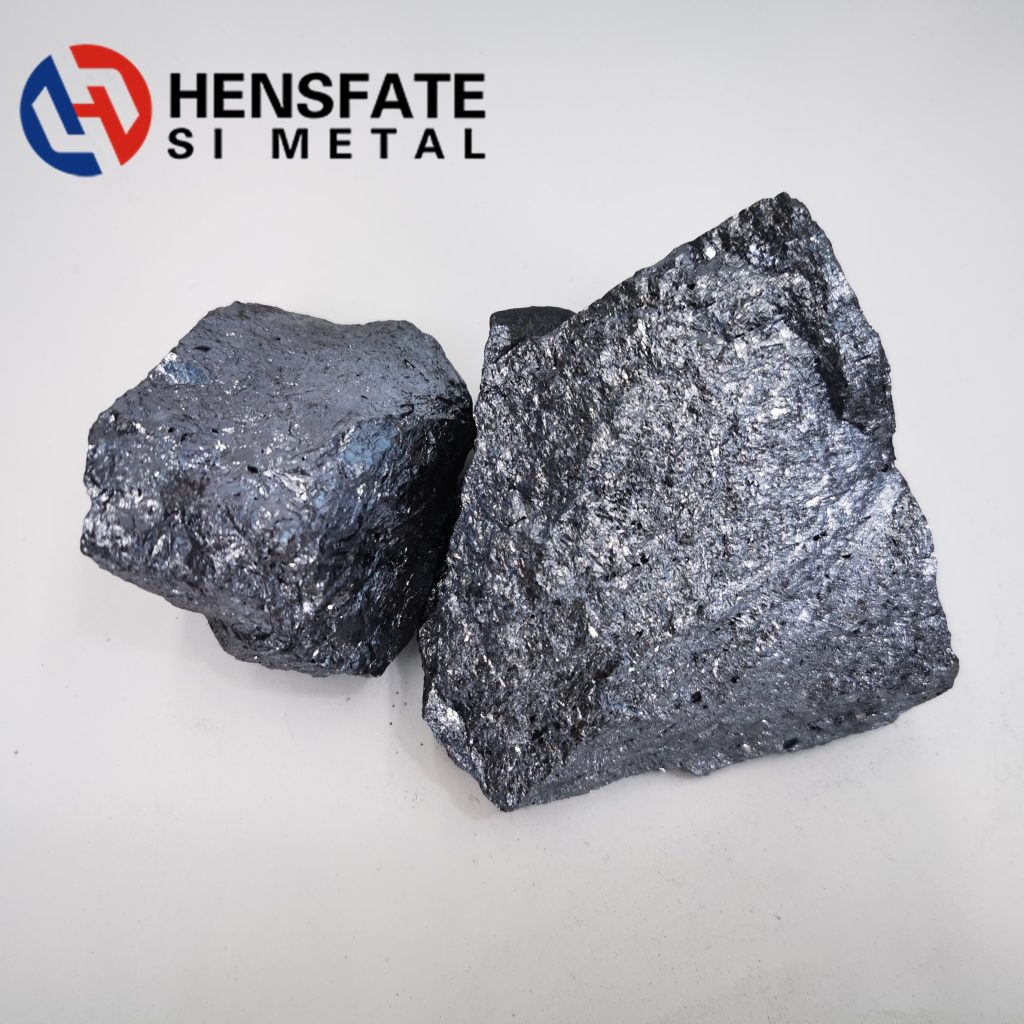
Among them, metallic silicon 553 represents that the industrial silicon contains iron less than or equal to 0.5%, aluminum content is less than or equal to 0.5%, and calcium content is less than or equal to 0.3%;
Metallic silicon 441 Industrial silicon means iron content is less than or equal to 0.3%, aluminum content is less than or equal to 0.3%, calcium content is less than or equal to 0.1%, and so on, due to customary reasons.
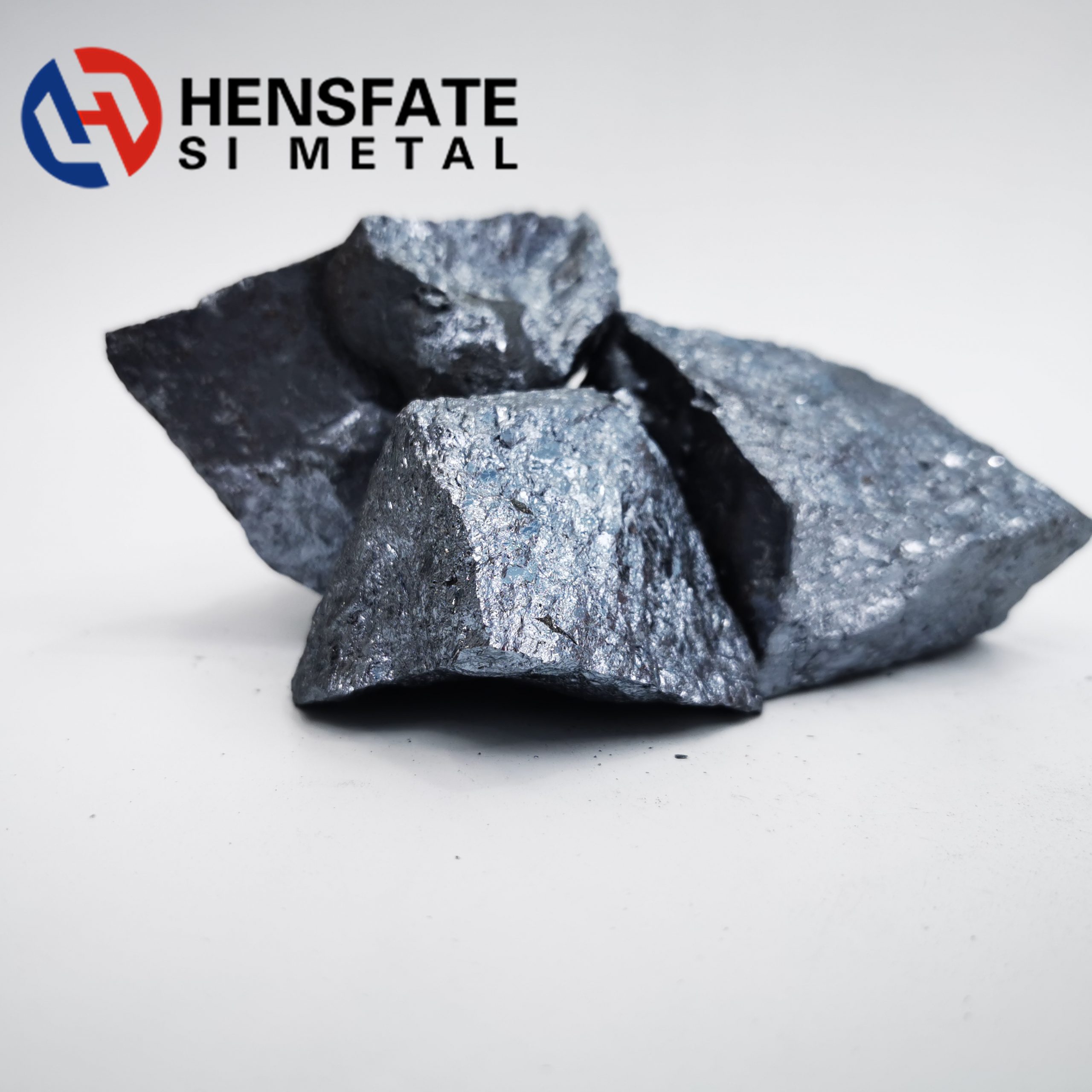
Metallic silicon 2202 is also abbreviated as 220, which means that calcium is less than or equal to 0.02%. The industrial silicon at the beginning of 2 is generally called chemical silicon.
The above is the knowledge about the meaning of the metal silicon grades shared by the metal silicon manufacturer for you. For more questions about metal silicon, you can consult us at any time
Silicon metal manufacturers share various preparation methods of silica sol
what is silicon slag ?how to choose high-quality silicon slag?
Our related news
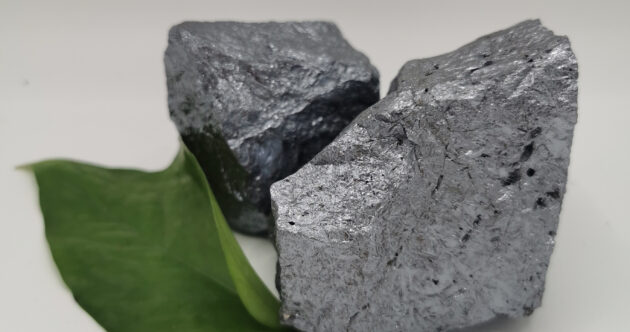
Silicon Metal 553#, Silicon Metal 441# differ significantly in purity, impurity content, application areas, and price. Silicon Metal 553# is a general-purpose product with a silicon content ≥98.5%, iron ≤0.5%, aluminum ≤0.5%, and calcium ≤0.3%, primarily used in the aluminum alloy and organosilicon industries. Silicon Metal 441# has a silicon content ≥99.0%, iron ≤0.4%, aluminum…

Happy New Year! Wishing you and your loved ones a year filled with joy, health, and prosperity.
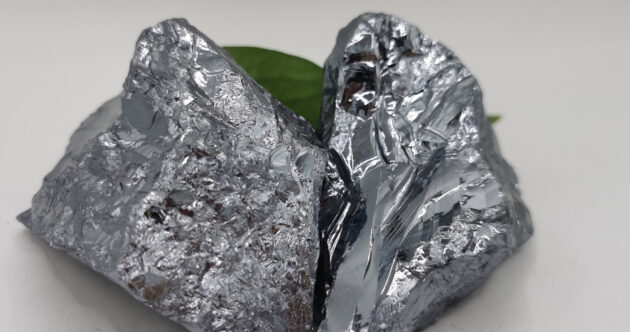
Widespread Applications of Silicon MetalAs a basic raw material, silicon metal has a wide range of applications. According to statistics, approximately 500,000 tons of silicon metal were consumed worldwide in 1985, of which approximately 60% was used in aluminum alloys, less than 30% in organosilicon, and about 3% in semiconductors. The remainder was used in…